Let's be honest: if you ask anyone around the world when the Christmas season starts, they'll probably say late November or early December. But if you ask a Filipino? The answer is a heavily committed, unblinking September 1st.
Yes, the moment the calendar hits the "ber" months, mall speakers everywhere suddenly blast Mariah Carey, plastic Christmas trees magically appear in living rooms, and local radio stations pivot hard into holiday mode. It's chaotic, it's early, and honestly, it's brilliant.
If you've never experienced a Pinoy holiday season firsthand, you're missing out on a cultural phenomenon. This isn't just about exchanging gifts or eating dry turkey. It's a four-month-long festival of lights, family reunions, food comas, and pure communal energy that you won't find anywhere else on Earth.
Grab an iced coffee, settle in, and let's talk about why spending the holidays in the islands is a completely unmatched vibe.
The Four-Month Countdown (Yes, Really)
If you think starting Christmas in September is a joke, walk into any grocery store in Manila or a local palengke in the provinces. You'll see salted egg vendors blasting Jose Mari Chan tracks while arranging parol displays.
For locals, these "ber" months mark the psychological shift from the rainy season into pure festive anticipation. It's our unofficial Philippine festival season, stretching all the way until the Feast of the Three Kings in January. That makes it the longest holiday celebration on the entire planet.
Why do we start so early? Because life is tough, traffic is legendary, and honestly, we just love an excuse to celebrate joy, food, and community. The long run-up gives everyone enough time to mentally and financially prepare for the ultimate social marathon that is December.
The Star of the Show: The Parol
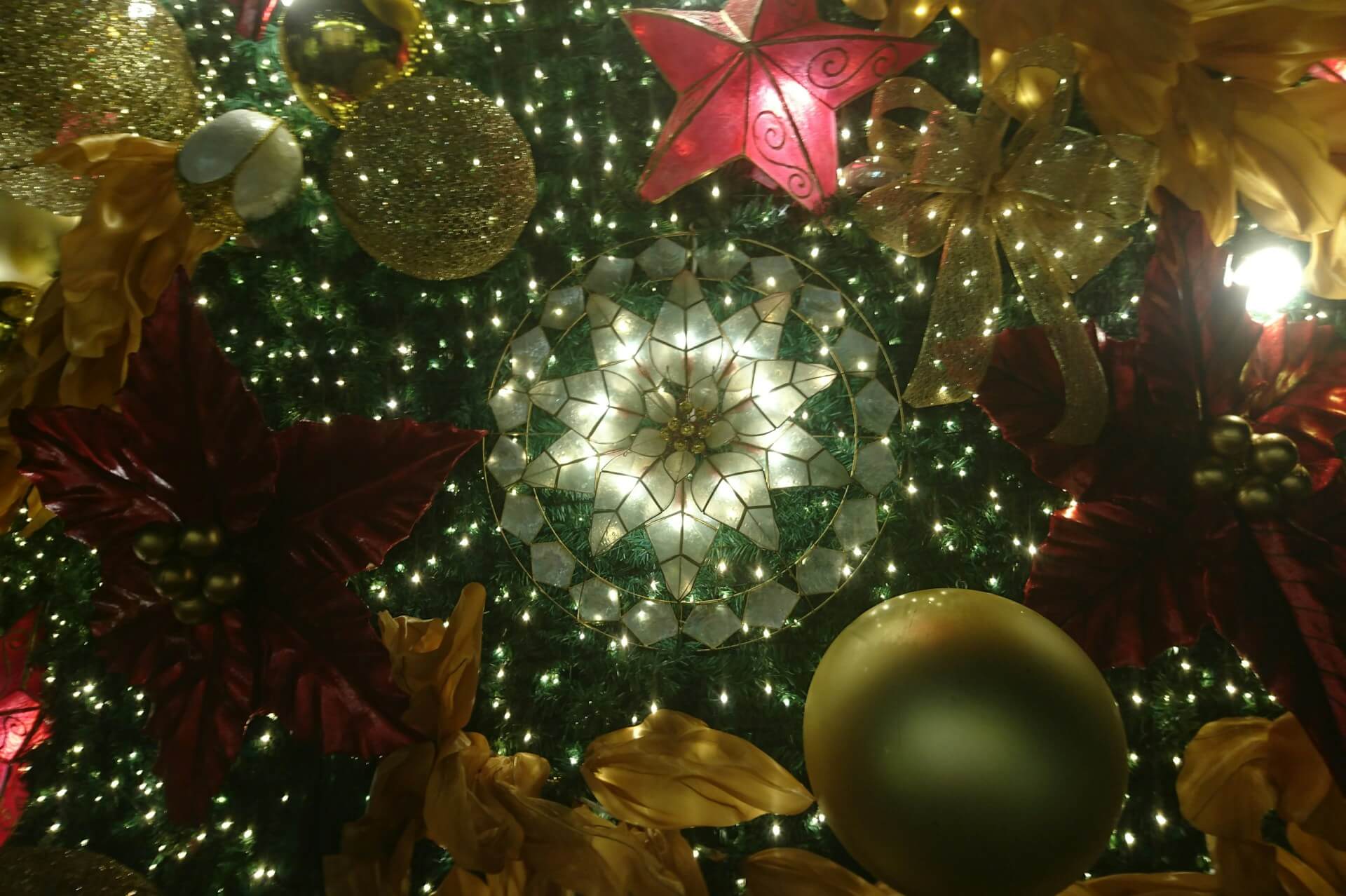
Walk down any street in the country around November, and you'll see windows, porches, and lampposts glowing with star-shaped lanterns called parols.
Traditionally made from bamboo strips and Japanese colored paper, modern versions range from recycled plastic bottles to massive, blinking LED masterpieces that look like spaceships. These aren't just pretty decorations. They represent the Star of Bethlehem that guided the Three Kings, but for everyday locals, they symbolise hope and the light welcoming family members back home.
If you're travelling through local neighbourhoods at night, take a slow walk just to admire how every house tries to out-glow the next. It's cosy, nostalgic, and entirely magical.
The Ultimate Dawn Raid: Simbang Gabi
Confession time: waking up at 3:30 AM is brutal. But doing it for nine straight days before December 25th? That's a core Filipino memory.
Simbang Gabi is a series of dawn masses that run from December 16 to 24. Even if you aren't deeply religious, the culture surrounding these early morning church sessions is unmatched. Entire barkadas (friend groups) and families stumble out of bed in hoodies and slippers just to fill local courtyards in the crisp morning air.
And let's be real—half the reason people go is for the street food waiting outside the church gates.
Bibingka: Rice flour cakes baked in clay pots lined with banana leaves, topped with salted duck egg, cheese, and slathered in butter. Eaten piping hot, it is pure comfort food.
Puto Bumbong: Purple glutinous rice steamed inside bamboo tubes, rolled in muscovado sugar and freshly grated coconut.
Washing those down with a steaming cup of tsokolate (local hot chocolate) while chatting with friends in the chilly dawn air makes the 3:00 AM alarm totally worth it.
Noche Buena: The Midnight Feast
Forget a quiet Christmas dinner at 6:00 PM. In the islands, the main event happens right when the clock strikes midnight on December 25th.
Noche Buena is a massive family feast that rewards everyone for surviving the traffic, the shopping, and the weeks of preparation. Tables groan under the weight of heavy comfort food, and nobody cares about calorie counts tonight.
Queso de Bola: A ball of Edam cheese wrapped in red wax that makes an annual appearance on every single dining table.
Jamón de Bola: Sweet-glazed holiday ham sliced thin to pair with soft pan de sal.
Lechon: The undisputed king of any Pinoy celebration. Crispy crackling skin, juicy meat, and liver sauce that ties the whole experience together.
Fruit Salad and Buko Pandan: Sweet, creamy desserts heavy on condensed milk, cheese cubes, and nata de coco that live rent-free in every local's childhood memories.
It's loud, it's chaotic, and there are always too many aunties asking why you're still single, but the warmth and laughter around that midnight table are unbeatable.
Caroling, Pinoy Style
You haven't truly lived until you've heard a pack of neighbourhood kids show up at your front door at 8:00 PM singing janky renditions of "Jingle Bells" using improvised instruments.
Instead of fancy bells, traditional Filipino carolers use empty soda cans filled with pebbles or bottle caps hammered onto flat pieces of wood to create a rattling tambourine. They'll belt out local carols like "Namamasko Po," completely off-key and with infectious enthusiasm.
Opening the door to toss them loose change—and hearing them yell "Thank you, thank you, ang babait ninyo!" as they sprint to the next house—is peak holiday nostalgia.
Why You Need to Experience It As a Traveler
If you're planning a trip to Southeast Asia, timing your visit around the Christmas season offers a completely different lens into the local culture.
Sure, European Christmas markets get a lot of hype, but they can feel a bit transactional and cold. A local holiday in the islands feels like stepping into one giant, inclusive family reunion. Even if you're a total stranger, you'll likely get pulled into a backyard barbecue, handed a plate of spaghetti, and treated like an old friend by sunset.
Quick Tips for Travelers:
1. Book Ahead: Domestic flights and hotels fill up fast in December as millions of locals travel back to their home provinces.
2. Expect Traffic: Manila traffic is already famous, but December traffic is a boss-level challenge. Pack your patience, or better yet, take the train or explore smaller provincial cities like Vigan, Iloilo, or Dumaguete.
3. Embrace the Chaos: Don't stress over tight schedules. Go with the flow, eat the street food, buy a cheap parol from a roadside vendor, and enjoy the longest, warmest holiday celebration on the planet.